Macquarie’s biomethane projects under scrutiny
April 2, 2026
A new investigation by Investigative Reporting Project Italy takes a closer look at how private equity-backed energy projects are being developed on the ground and raises familiar questions about transparency, community impact, and whether these investments are truly advancing a clean energy transition.
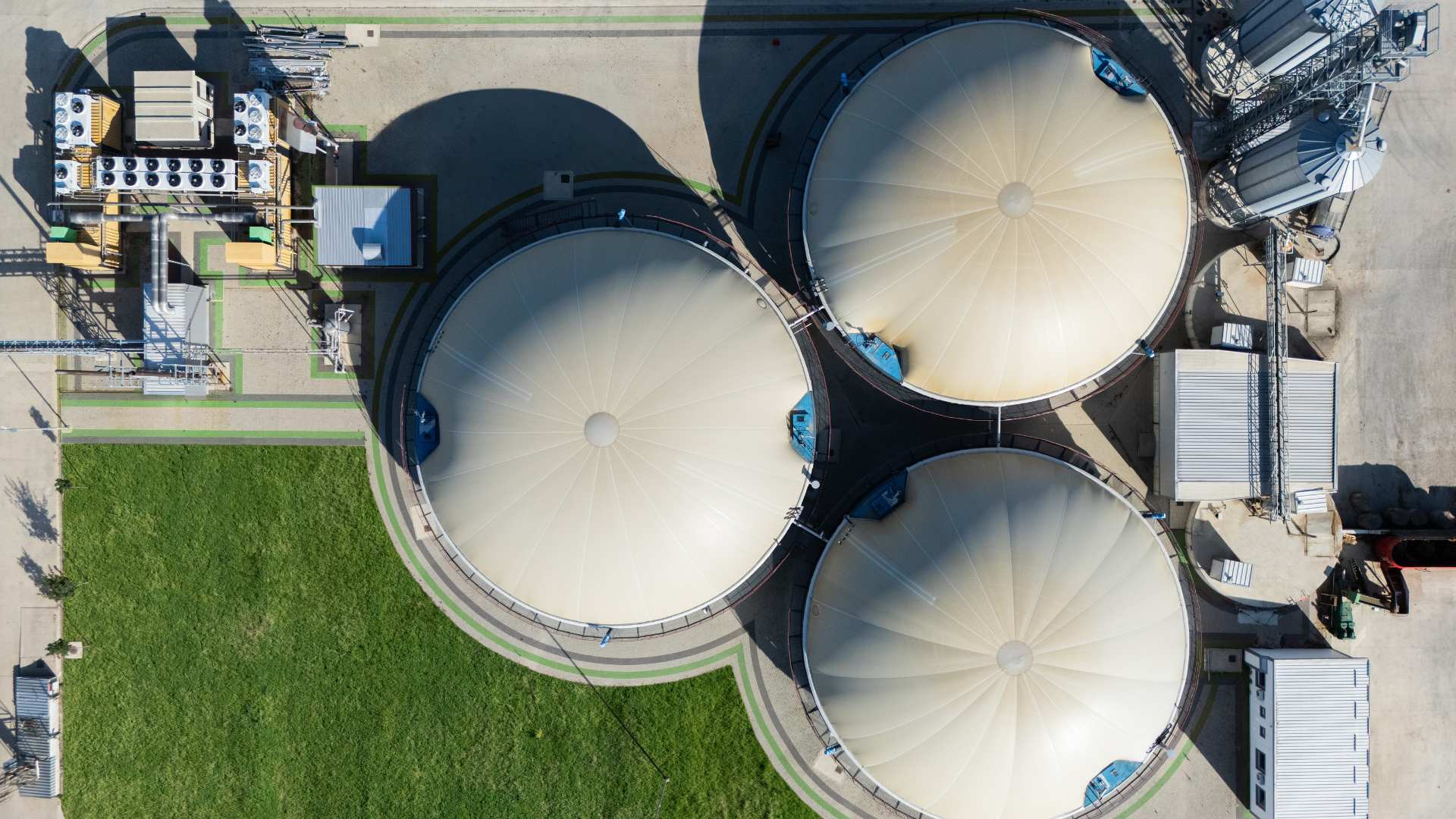
The story focuses on a biomethane project in Dragoni, Italy, one of more than 20 similar plants tied to Retina Holding, a company backed through a complex financial structure that ultimately leads to Macquarie. The project has received millions in public funding through Italy’s National Recovery and Resilience Plan, but local residents say they were never informed before construction began and have raised concerns about environmental impacts and lack of transparency.
The investigation traces how these projects are financed and structured, with public subsidies and state-backed guarantees helping make them viable, even as key project details remain inaccessible. Requests for documentation about the Dragoni plant, including environmental and supply plans, were denied on the grounds of protecting corporate economic interests, despite the use of public funds.
Amanda Mendoza, senior research and campaign coordinator at PESP, told IrpiMedia that Macquarie’s involvement reflects a broader pattern in private equity’s approach to energy:
“Seeing Macquarie engage in a transaction of this kind is entirely predictable, almost natural. Large private equity funds aren’t really interested in a true energy transition, even if some of their investors are. Public pension funds, for example, invest in private equity for the ‘green transition’ through Macquarie, which, however, is often full of false solutions like carbon capture, biomethane, carbon credits, and various so-called ‘clean’ technologies that, in our view, serve primarily to attract new capital. These are energy projects driven more by financial engineering than by real transition objectives. The funds try to create value and then sell it all to someone else.”
The investigation highlights how projects marketed as part of the energy transition can function more like financial assets, designed to attract capital and generate returns rather than meaningfully reduce emissions or serve local communities.
This reporting aligns with PESP’s broader research on private equity’s growing role in the global energy system. The latest Private Equity Climate Risks (PECR) energy tracker finds that private equity firms continue to maintain significant fossil fuel exposure, even as they invest in assets labeled as part of the transition.
As of early 2026, the 20 firms tracked were invested in at least 248 fossil fuel companies, and fossil fuels still make up a majority of energy portfolios across the industry. Notably, several firms, including Macquarie Asset Management, increased their number of fossil fuel companies in the past year, underscoring the gap between industry messaging and investment activity.
Taken together, the IrpiMedia investigation and PESP’s data point to a consistent trend: some private equity firms are expanding their footprint across the energy sector, including projects framed as “green,” while continuing to invest heavily in fossil fuels.