MN SBI approves additional $450 million to Bridgepoint and Bridgepoint’s Energy Capital Partners despite climate concerns
December 16, 2025
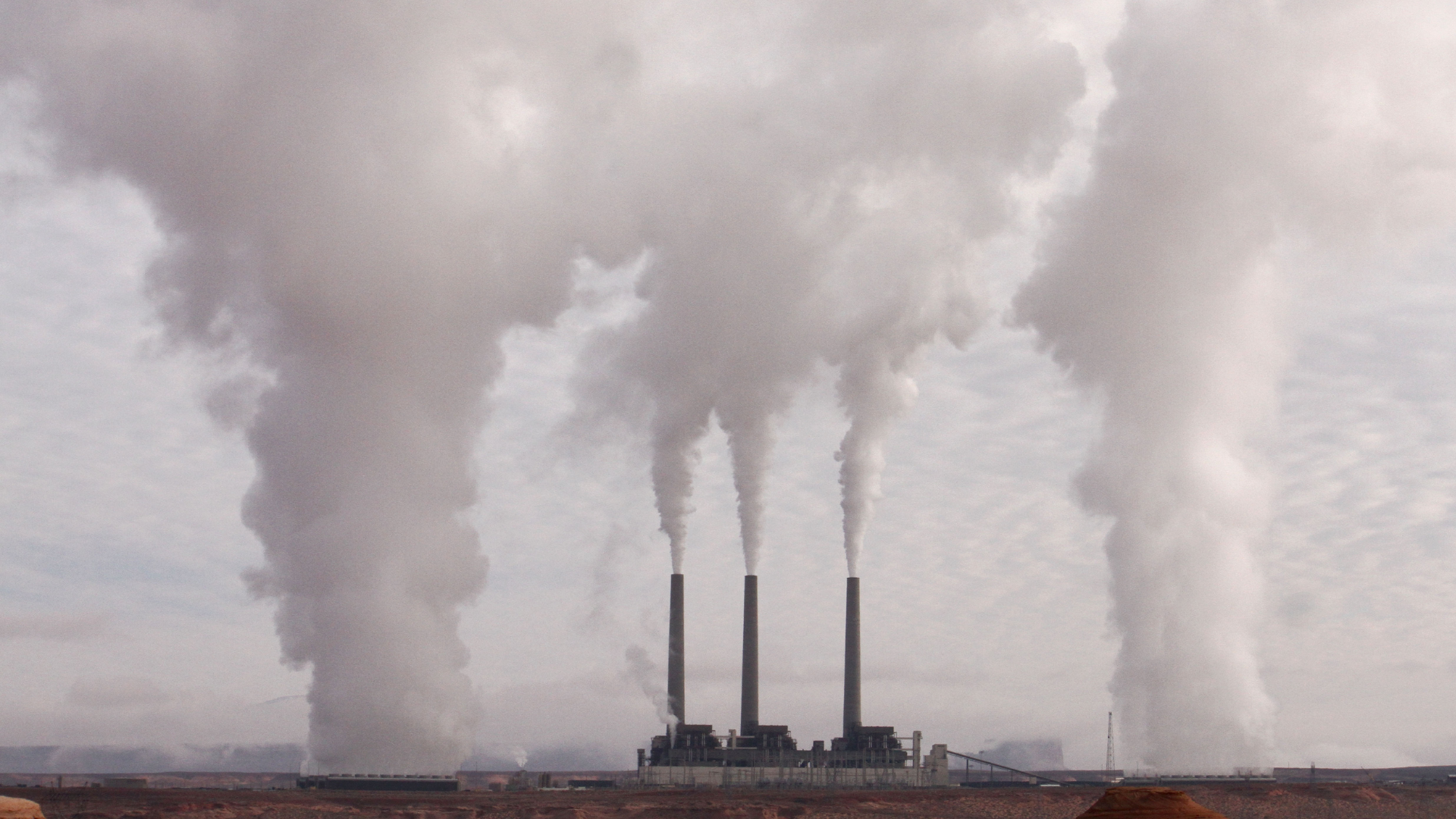
In a disappointing decision, the Minnesota State Board of Investment voted to approve an additional investment of up to $450 to private equity firms Bridgepoint and Bridgepoint subsidiary Energy Capital Partners at the board’s October 21, 2025 meeting. The Investment Advisory Council recommended that the State Board of Investment (SBI) approve the additional investments, specifically up to $200 million to Bridgepoint and up to $250 million to Energy Capital Partners (page 72-73) Energy Capital Partners is owned by Bridgepoint. The private equity firm recently purchased the Gavin Coal Plant in Ohio, a 50 year old asset known as one of the most deadly power plants in the nation, connected to over 200 premature deaths annually.
Emissions from the Gavin coal plant are the single biggest contributor to Energy Capital Partners’ overall negative health impacts and related costs. According to research conducted by the Private Equity Climate Risks Consortium in a 2025 report “Private Equity, Public Harm” emissions from Energy Capital Partners assets nationally are estimated to cause between $1.8 and $3.3 billion in costs related to health impacts each year. The emissions are estimated to cause 62,000 asthma incidents, 130 emergency room visits, 11,000 lost work days, $15,000 lost school days, and over 200 premature deaths. Although the SBI pointed out the commitment is to a fund not used in the Gavin purchase, public health and environmental impacts should be evaluated for a private equity firm’s full portfolio and its overall fossil fuel footprint. In the case of ECP, well over 60% of the firm’s energy companies are fossil fuel assets.
Despite these ongoing concerns, harm, and costs, the MN SBI voted to adopt the private equity investment recommendation, greenlighting significant new investment to Bridgepoint and Bridgepoint’s Energy Capital Partners.
Even prior to this new investment, MN SBI has been one of the only pension fund investors in Energy Capital Partners over the last decade and is by far Energy Capital Partners’s largest pension fund investor. Other than Minnesota, only two US public pension funds have invested in Energy Capital Partners investment funds since 2014 – the Teacher Retirement Systems of Texas and Louisiana. As of September 30, 2024, the SBI had committed $500,000,000 committed to Energy Capital Partners (Page 281 of meeting materials.)
Jordan Ash of PESP provided public comment at the October meeting highlighting many of the concerns surrounding continued investment in private equity firms with substantial fossil fuel exposure, such as Bridgepoint’s Energy Capital Partners. Ash urged MN SBI to decline to invest further with Energy Capital Partners until the firm commits to a retirement plan for Gavin. Emily Moore of the Minnesota Divestment Coalition also provided public comment opposed to the new commitment to Energy Capital Partners.

Following the public comments, SBI Executive Director and Chief Investment Officer Jill Schurtz reiterated her support of the new private equity investments. Schurtz mentioned Energy Capital Partners’ track record of retiring coal plants, despite the fact that Energy Capital Partners has made zero commitment to retire the Gavin coal plant, and in fact confirmed the opposite in FERC filings this year, which stated: “the Gavin facility (and the facilities owned by the other Lightstone Public Utilities) will continue to operate for so long as they are legally able to do so on an economic basis.”
Financial Risks and Delegated Investment Authority
Prior to voting to approve the additional commitments of up to $450 million to Bridgepoint and Bridgepoint’s Energy Capital Partners, Gov. Walz reiterated his commitment to a “deliberate, aggressive, and responsible” approach to climate change, recognizing that it is an “existential threat” and that dealing with climate change is a matter of fiduciary responsibility. This statement made alongside the vote to approve the additional investment raises the question of the financial risks associated with continued investment in private equity firms investing in fossil fuels, such as Energy Capital Partners.
In addition to SBI voting to invest up to an additional $450 million to Bridgepoint and Bridgepoint’s Energy Capital Partners, the SBI also voted to approve a new investment policy statement which includes provisions delegating future investment decisions to the SBI staff under the leadership of its executive director and chief financial officer, as opposed to the board. (Page 225 video starting at 46:14) As part of the adopted policy, the SBI board members did retain the authority to revoke delegation powers from the staff at any time.
Minnesota’s National Clean Energy Policy Leadership
It is important to note that Minnesota does serve as a national leader in financially responsible climate policies, as Gov. Walz noted, realizing as a state that considering the impacts of climate is a matter of fiduciary responsibility. The state passed the Clean Energy Standard in 2023, which requires utilities to provide 100% carbon free energy by 2040, and the MN SBI specifically has also adopted a Climate Roadmap which lays out a goal to decarbonize the state’s investments and invest in the energy transition. As the Roadmap states: “Climate Change and Energy Transition present material risks and opportunities that must be considered.”
PESP remains supportive of the MN SBI’s Climate Roadmap. However, as the Minnesota Divestment Coalition has noted, “The Roadmap is almost completely silent on private equity.” The Coalition urged the SBI “to include criteria for due diligence of private equity investments. Well-known private equity companies have been driving the climate crisis by snapping up dirty fossil fuel assets and avoiding regulatory oversight.”
PESP looks forward to working with the SBI board and staff in the future, especially around opportunities in private markets to retire deadly and liability-heavy assets such as the Gavin coal plant, and transition to low-cost, clean options.