PESP presents research about the role of private equity in the climate crisis at OECD workshop in Paris
July 11, 2025
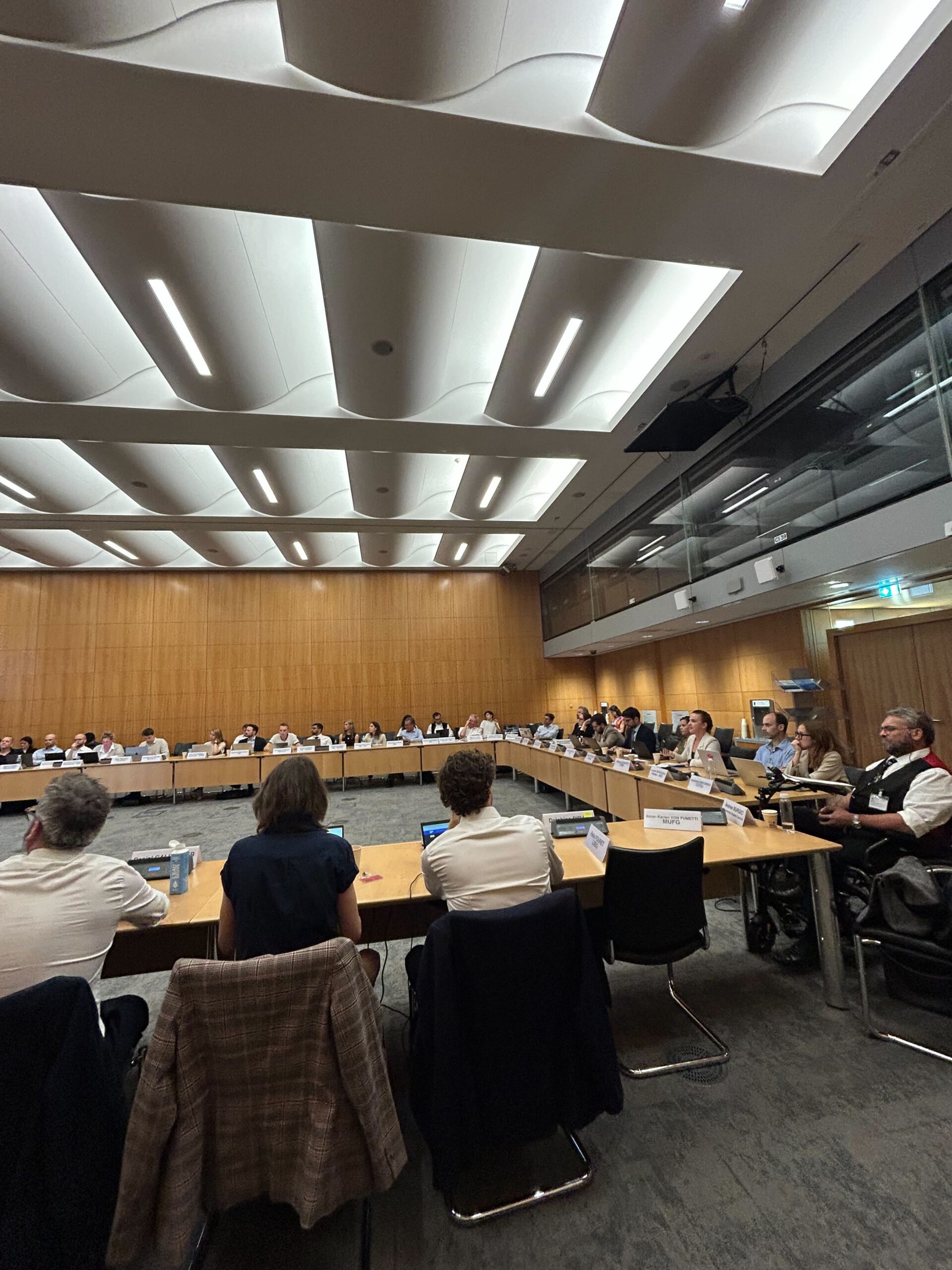
In June, PESP’s Climate Director, Alissa Jean Schafer, presented at an Organisation for Economic Co-operation and Development (OECD) workshop in Paris, France, highlighting the significant and often overlooked impact of private equity investments on global carbon emissions. The presentation focused on research from the Private Equity Climate Risks (PECR) project, a collaboration between PESP, Global Energy Monitor, and Americans for Financial Reform Education Fund.
During her presentation, Alissa Jean discussed the PECR Scorecard, a resource for stakeholders, investors, and policymakers. This scorecard evaluates private equity firms based on key metrics, including their number of fossil fuel portfolio companies, the percentage of fossil fuels in their energy portfolios, estimated annual carbon dioxide emissions, and alignment with the Climate Demands for Private Equity. PECR conducted and compiled this research to provide transparency within the often opaque private equity industry.
Publicizing the fossil assets owned by many private equity firms is crucial for providing a clear picture of their actual impact on climate change globally. Alissa Jean also highlighted the PECR Global Energy Trackers. The Fossil Fuel Asset Tracker is a searchable tool built on data from the scorecard. It lists fossil fuel assets,including pipelines, coal-fired power plants, oil and gas drilling operations, and LNG terminals, owned by 20 global private equity firms. The tracker can be sorted by type, location, and private equity firm, and future updates will include gas-fired power plants to improve emissions calculations.
Private equity firms are also increasingly engaging in greenwashing to attract investors and defend their business models. Alissa Jean referenced a recent PECR report that reveals how private equity firms invest in “false solutions” to climate change, rather than true decarbonization efforts. The report, titled “A Look at Private Equity Transition Funds: Energy Innovation or Greenwashing?”, details how these investments often serve to prolong the use of fossil fuels and create confusion for investors seeking genuine climate action. Publicly disclosing the fossil fuel assets owned by private equity firms is crucial for anyone, but especially investors, to accurately understand their environmental impact.
The PECR website serves as a central hub for this research, offering separate pages for analyzed PE firms, interactive data visualizations, and downloadable data. In addition to research and tracking tools, PESP equips investors with a comprehensive toolkit for building more sustainable portfolios. This includes climate standards for limited partners, energy transition due diligence questionnaires, and a comparison of leading investor climate policies.
PESP was honored to participate in the OECD workshop and to provide access to critical research resources designed to shine a light on the blind spots of private equity. The work to enhance transparency and promote a movement toward more responsible and sustainable private equity investment practices is a global undertaking, and PESP is dedicated to remaining engaged in these international efforts. PESP will continue to do the research that will drive these conversations forward and empower investors to make more sustainable choices.