States broaden scrutiny of private equity in healthcare
September 22, 2026
States broaden scrutiny of private equity control in healthcare, new report finds
Chicago, IL — State lawmakers are taking a closer look at the many ways private equity firms can control healthcare providers, according to a new report from the Private Equity Stakeholder Project (PESP).
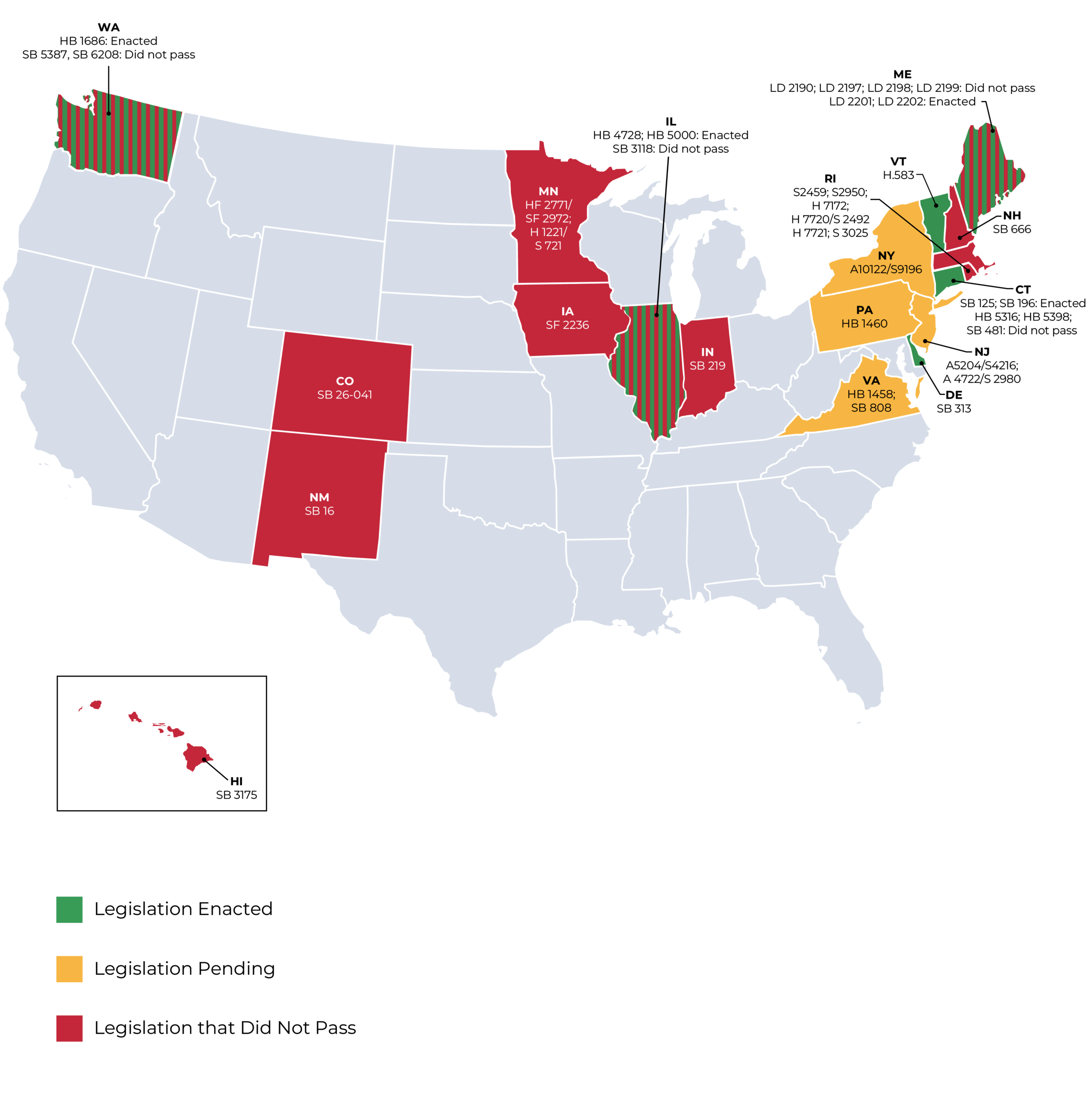
The 2026 State Healthcare Policy Review examines state efforts to strengthen oversight of private equity investments in healthcare. As of August 2026, six states had enacted nine laws covered in the report, while California and Oregon began implementing major laws passed in 2025.
The report finds that state policy debates have moved beyond whether a hospital acquisition should trigger advance notice. Lawmakers are increasingly examining control exercised through management services organizations, debt, real estate, joint ventures, and entities higher in a provider’s ownership structure.
“States across the country are taking a much closer look at how private equity operates in healthcare and where existing oversight falls short,” said Michael Fenne, Senior Policy Coordinator at PESP. “The strongest policies recognize that influence over a healthcare provider can exist through ownership, management agreements, debt, real estate, joint ventures, and other financial arrangements. This report shows both how quickly state policy is developing and how much work remains to make sure regulators can see and respond to the full structure of these transactions.”
Private equity remains deeply embedded in healthcare. PESP tracked 1,029 private equity-backed healthcare deals in 2025. Private equity firms now own over 550 hospitals, accounting for almost 1 in 8 private, non-government hospitals in the United States. PESP has also identified more than 500 healthcare facilities operating through joint ventures between private equity-backed companies and nonprofit health systems. Limited disclosure means the actual scale of these arrangements is likely larger.
The report examines four main policy approaches: transparency and reporting requirements, approval and enforcement authority, targeted prohibitions on certain ownership or financial practices, and corporate practice of medicine restrictions intended to preserve clinical independence.
Among the developments covered in the report:
- Maine enacted the year’s only new administrative approval process focused on private equity-backed healthcare transactions. The state can approve, impose conditions on, or reject covered acquisitions.
- Washington expanded its healthcare transaction-notice law to cover changes in control, certain transfers of provider assets, and hospital real estate sale-leasebacks.
- Illinois enacted laws addressing transactions conducted through upstream owners and requiring new disclosures from certain providers serving people with developmental disabilities.
- Connecticut prohibited hospital sale-leasebacks and established new private equity ownership disclosures and governance attestations for hospitals and nursing homes.
- Vermont prohibited private equity firms and hedge funds from interfering with specified clinical and operational decisions at healthcare facilities.
- Delaware restricted ownership arrangements that allow a party without an ownership interest in a professional practice to exercise control over it.
The report also examines the implementation of laws in California and Oregon intended to prevent investors and management companies from using contracts and governance arrangements to control medical practices that remain nominally owned by physicians.
In addition, PESP will host Beyond the buyout: How healthcare policy can keep pace with private equity, today at 4 p.m. ET. The webinar will bring together a state senator, healthcare economist, healthcare worker, and labor researcher to discuss how private equity investment in healthcare is evolving and how policymakers can respond.
Register for the Beyond the buyout webinar here.
Find 2026 State Healthcare Policy Review here: pestakeholder.org/