
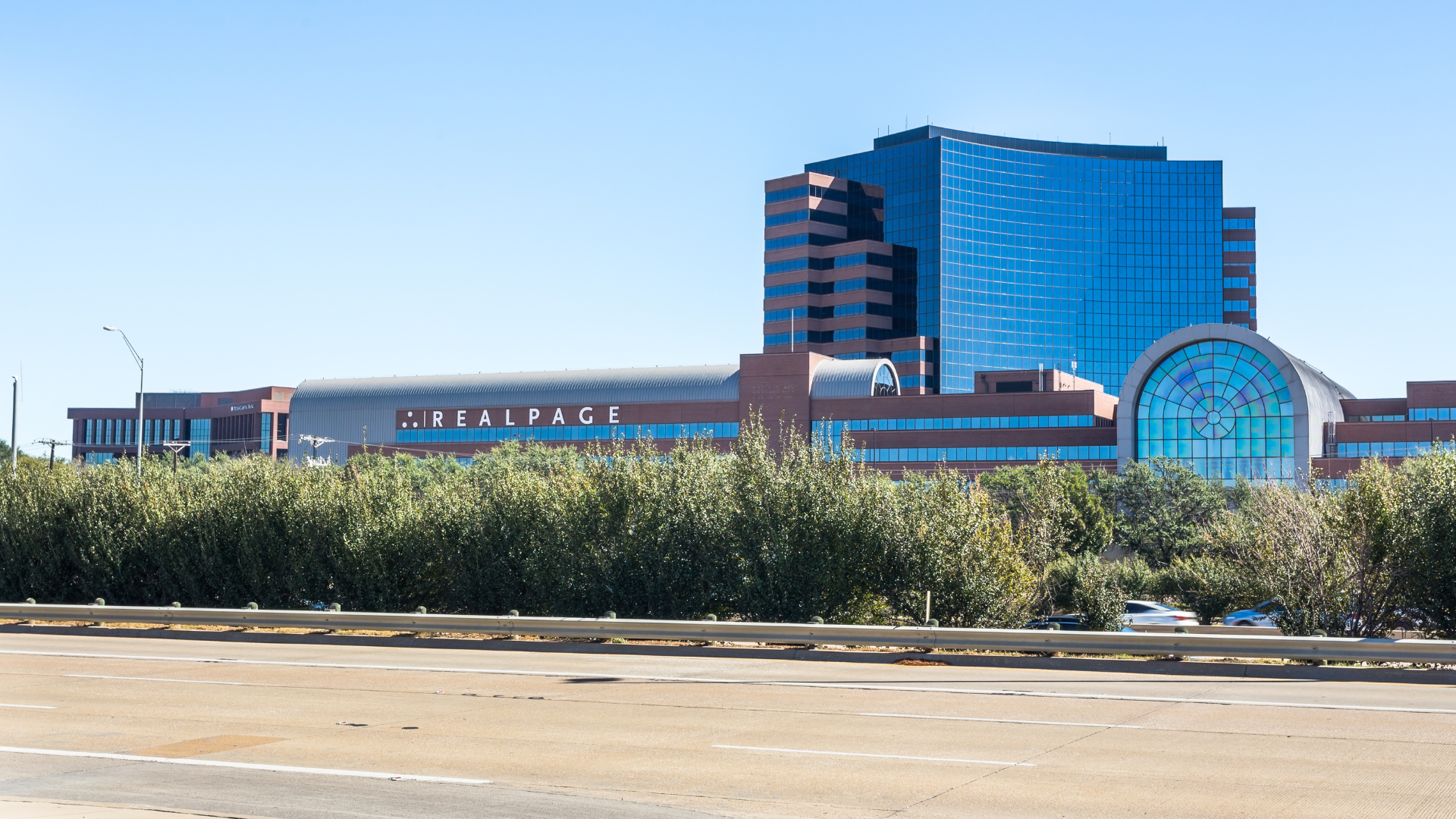
Thoma Bravo’s RealPage banned in New York and California
December 17, 2025
Thoma Bravo’s RealPage has been the subject of controversy due to allegations of artificially inflating rental prices and furthering inequities within the housing market.
RealPage and similar algorithmic software bans were the subject of over 44 pieces of proposed legislation by 22 states this legislative session. While they were not all successful, the amount of proposed anti-realPage legislation showed the impact of the growing movement against the software. In October, both California and New York passed legislation that resulted in a statewide ban on landlord usage of RealPage.
On October 16, some of the efforts to mitigate the potential harm that RealPage causes proved successful when New York Governor Kathy Hochul announced a state-wide ban on RealPage and similar software. The new legislation “bans collusion using algorithm-enabled rent price fixing.” The RealPage ban (legislation S7882/A1417-B) was included in a legislative package intended to “strengthen protections for tenants statewide.” The New York State Senate’s official summary of the bill states that the legislation:
“Prohibits a person or entity from knowingly or with reckless disregard facilitate an agreement between or among two or more residential rental property owners or managers to not compete with respect to residential rental dwelling units, including by operating or licensing a software, data analytics service, or algorithmic device that performs a coordinating function on behalf of or between and among such residential rental property owners or managers.”
In a statement released on the Governor’s website, Hochul’s office stated that “recent data shows that price fixing algorithms cost tenants nationwide an estimated $3.8 billion more in inflated rents last year alone. Continuing, the statement reads that algorithm software companies “make no secret that private data algorithms are intended to drive rent increases… resulting in housing market distortion and hurting tenants during a historic housing supply and affordability crisis.”
Assemblymember Linda B. Rosenthal who served as one of the bill’s co-sponsors (along with Senator Brad Hoylman) stated “with the signing of my legislation to ban the use of algorithmic pricing by landlords, we are leveling the playing field for tenants, giving New Yorkers greater access to affordable apartments and declaring this unfair, anti-competitive practice as unlawful collusion, once and for all.”
New York’s ban on RealPage comes several weeks after California passed legislation on October 6 that updates the state’s anti-trust law, the Cartwright Act, to include software such as RealPage. While not specific to the housing market like New York’s legislation, CA AB 325 makes it unlawful
- To use or distribute a common pricing algorithm as part of a contract, combination in the form of a trust, or conspiracy to restrain trade or commerce
- To use or distribute a common pricing algorithm if the person coerces another person to set or adopt a recommended price or commercial term recommended by the common pricing algorithm
On the same day CA AB 325 was signed into law, Governor Gavin Newsom also signed CA SB 763 which now means that corporations found in violation of the Cartwright Act will be required to pay higher penalties. RealPage is banned in major California cities such as San Francisco and San Diego and the corporation sued the city of Berkeley for a proposed ban on the software. In the suit, RealPage claimed that Berkeley was violating RealPage’s first amendment rights. While the city of Berkeley did not admit to any wrongdoing they paused their ban due to the hefty legal fees associated with the suit.
California’s legislation will go into effect on January 1st 2026 while New York’s legislation went into effect on December 15. On November 26, RealPage announced that it filed a lawsuit against New York Attorney General Letitia James for New York’s ban, stating it was “unconstitutional.”
As a recent report by the Private Equity Stakeholder Project shows, tenants in multifamily housing with the lowest incomes have recently been some of the hardest hit by rising rental prices. RealPage’s exacerbation of the ongoing rental price crisis could have negative impacts on pensioners who are also tenants, especially those who are disabled, low income, or people of color. Statewide bans in states with two large rental markets such as New York and California could also have an impact on Thoma Bravo’s returns, as this means that large landlords in those markets are no longer able to legally use RealPage, thus likely ending their contracts. Thoma Bravo investors should ask how the company plans to navigate the ongoing scrutiny, lawsuits, bans, and negative press which continue to persist as more time passes.