
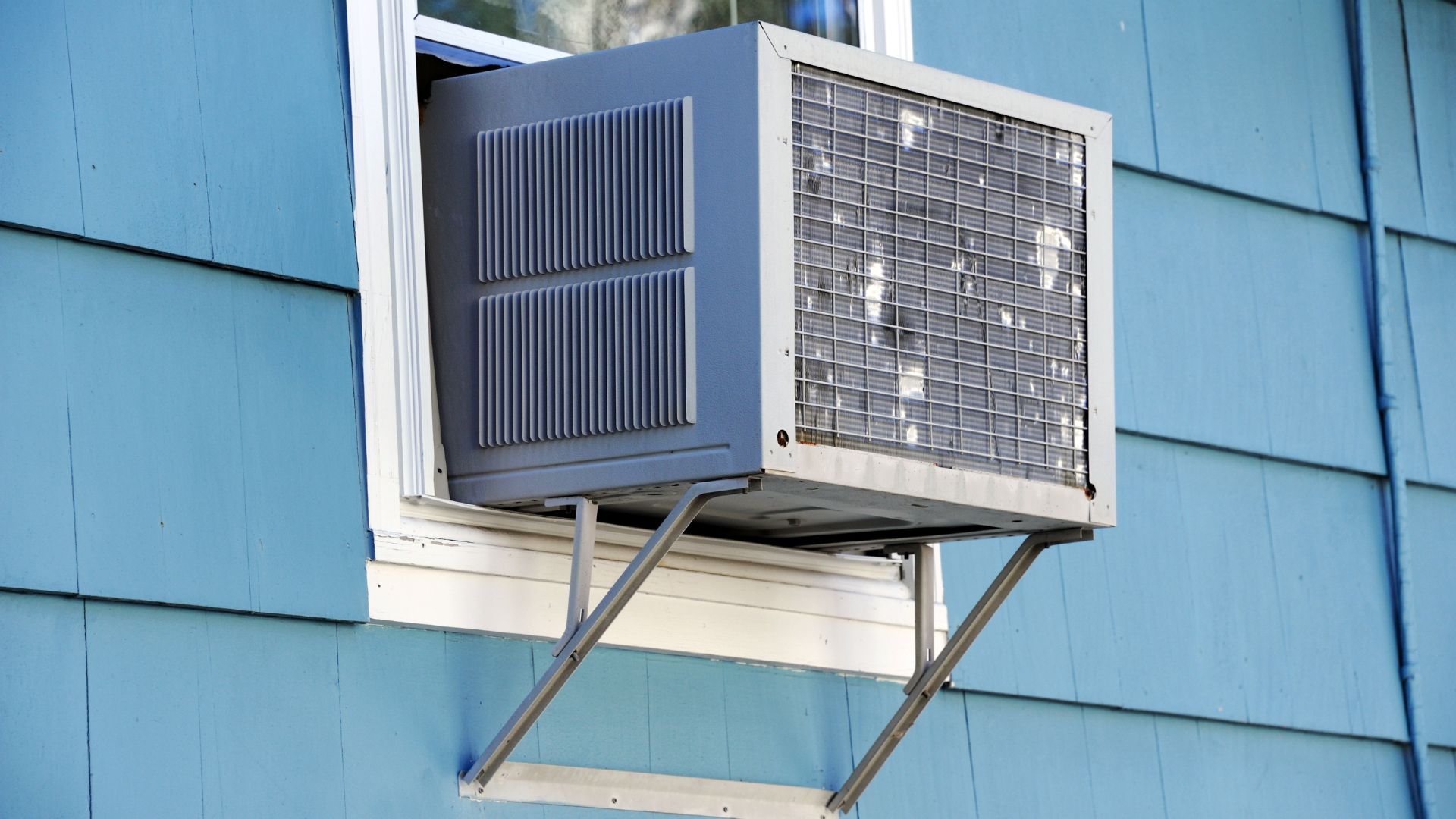
Will Brookfield end Yes Communities’ window A/C ban?
July 7, 2026
Will Brookfield allow Yes Communities residents to have window air conditioners in their homes?
The private equity company Brookfield is in the process of acquiring Yes Communities, one of the largest owners of manufactured home parks in the U.S., with about 270 parks and 77,000 home sites.
There have been news reports over the last few years, during some of the hottest summers on record, that Yes Communities threatened residents with lease violations and of being forced out of their homes if they didn’t remove window air conditioning units.
When Brookfield owns the parks, will it address the ban on Window A/C Units?
A letter to residents of Countryside Village in South Bend, Indiana, read, “If you have window A/C units you must remove them. After three violations, evictions can and will be filed.”
Many Yes Communities residents own their homes but pay lot rent to Yes, and many of their homes are older and don’t have central air.
“I think it’s a little unfair,” said one Countryside Village resident, who has central A/C but was concerned for his neighbors. “I think they’re putting a lot of pressure on people unfairly, especially a lot of the longtime residents that are on fixed incomes. They can’t afford to just go buy a whole brand-new air conditioner unit.”
Yes! Communities’ standard Community Guidelines for its parks include a provision that strictly prohibits window air conditioners. Tenants are instructed to sign these guidelines along with their lease.

(From Brookfield’s Guidelines for Community Living, Section 7.H)
Another news story reported about similar practices at Yes Communities’ Springfield Meadows park in San Antonio, Texas. Management sent a “site inspections” email to residents, saying “as a reminder we do not allow window units in our community.” A resident said that management doesn’t want A/C window units for aesthetic reasons, that they don’t want units that “stick out.”
“We have to sit in front of the fan,” the resident who lives with her two children said, “I don’t wanna cause any problems, all I want is my window unit so it can be comfortable in our home.” San Antonio has an average high of 95 degrees in July and August.
A Countryside Village resident told a reporter, “I know that they want to make the park look nicer, but they’re trying to do it at the expense of peoples’ health. And that’s not right.”
Residents have raised concerns that not having air conditioning could be dangerous, especially for people with health conditions.
“We’ve got elderly people that live in here, sick people that live in here, and they could die,” one Countryside Village resident in Indiana said. “I mean, some people that’s never lived in a trailer, they don’t understand how hot. It’s like living in a tin can.”
One Army veteran and senior citizen who has lived at Countryside Village for more than 20 years needs an oxygen tank and has been struggling to breathe. He had to go to the emergency room this summer, the day after speaking to a reporter. “I have a right to life. It seems like they’re just saying, well, we don’t care about your life,” he said.
In response to the issue, an Indiana State Senator sent a formal letter to the Attorney General urging his office to investigate. “This policy places lives at risk,” the state senator said. “We’re talking about families losing their only source of relief from the extreme heat. This is not just a housing issue; it’s a public health emergency.”
There was also a news story about Yes! Communities engaging in similar practices in Five Seasons in Cedar Rapids, Iowa, where one resident was worried about her husband. “If he gets too hot, he could go into seizures, and it can really harm him,” she said.
A resident of Ashli Oaks in Denton, Texas, where Yes! Communities has enforced the same policy, told a reporter, “I’m on disability, I’ve got multiple sclerosis and diabetes, so I can’t regulate my body temperature as well as everyone else, and my living room is 103 degrees right now.”
Several days in North Texas last month had high temperatures approaching 100 degrees, with heat indexes even higher.
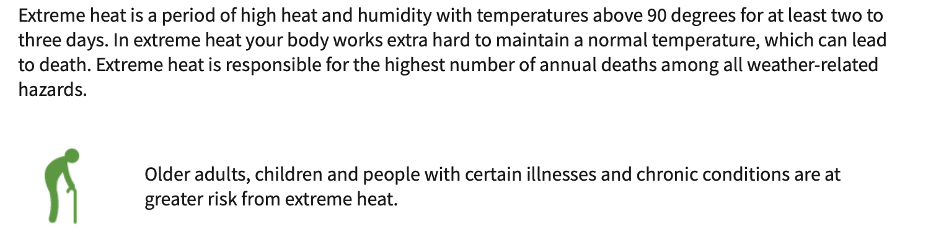
The federal government warns that “Extreme heat is responsible for the highest number of annual deaths among all weather-related hazards. Older adults, children and people with certain illnesses and chronic conditions are at greater risk from extreme heat.”
The government recommends installing window air conditioners and notes that fans create “a false sense of comfort, but do not reduce body temperature or prevent heat-related illnesses.”
Some Yes! Communities residents said they removed their window units and tried alternatives such as portable units, which are expensive and didn’t work well.
A resident of Springfield Meadows in San Antonio said she resorted to covering her windows with blankets to try to keep the heat from coming inside her home.
An Ashli Oaks resident in Denton, Texas said he and a neighbor used the last of their savings to invest in portable stand AC units, but the units did not adequately cool their homes.
Interior air-conditioning units are not as efficient as window units since they release warm air back into the room. With window units, the majority of the appliance is outside the home, which is what makes them more efficient than a portable unit. A window unit recirculates indoor air, cooling it and blowing it back into the room, while venting the heat outside rather than recirculating it.
A news story about the issue noted that portable air conditioners typically cost between $300 and $700, with additional costs for proper venting and installation.
A Countryside Village resident said about her window A/C, “I had to replace mine with a portable A/C unit that will only cool one room. My window A/C would cool my whole trailer. I hate living here because of them, but I’m too old and too poor to get out.”
Moving is not an option for most people.
Despite being called “mobile homes,” manufactured homes are rarely moved once placed on a site. Homes are often attached to a foundation and cannot stand a move. Furthermore, moving costs average $5,000 to $10,000, roughly five to seven years’ worth of the homes’ equity. Finding a new lot to place the home is also difficult, as park owners may prefer to place newly constructed homes.
“I’ve been looking into other places and even to get something smaller and something that would still work for my family, it’s almost double my current rent, and I’m barely making it as it is. So, to feel like I’m going to be forced out of my home soon is terrifying,” a Five Seasons resident said.